The Story Behind Japan’s Beloved Ebi Filet-O
In the pantheon of regional fast-food specialties, few have achieved the cult status of McDonald’s Ebi Filet-O. This shrimp burger, exclusive to McDonald’s Japan, represents a fascinating intersection of American fast-food culture and Japanese culinary preferences. Since its introduction in the early 2000s, the Ebi Filet-O has become a seasonal sensation, eagerly anticipated by locals and sought after by curious travelers.
Origins and Cultural Context
The Ebi Filet-O emerged from McDonald’s strategy of localizing their menu to suit regional tastes. In Japan, where seafood consumption far exceeds that of many Western countries, a shrimp burger made perfect sense. “Ebi” means shrimp in Japanese, and the country’s love affair with these crustaceans runs deep—from tempura to sushi, shrimp appears in countless traditional preparations.
What makes the Ebi Filet-O particularly ingenious is how it bridges two culinary worlds. It takes the familiar McDonald’s burger format—soft bun, crispy coating, creamy sauce—and fills it with something quintessentially Japanese. The use of panko breadcrumbs instead of traditional Western breading immediately signals its Japanese identity, while the subtle seasoning and lighter flavor profile cater to local palates.
The Anatomy of an Icon
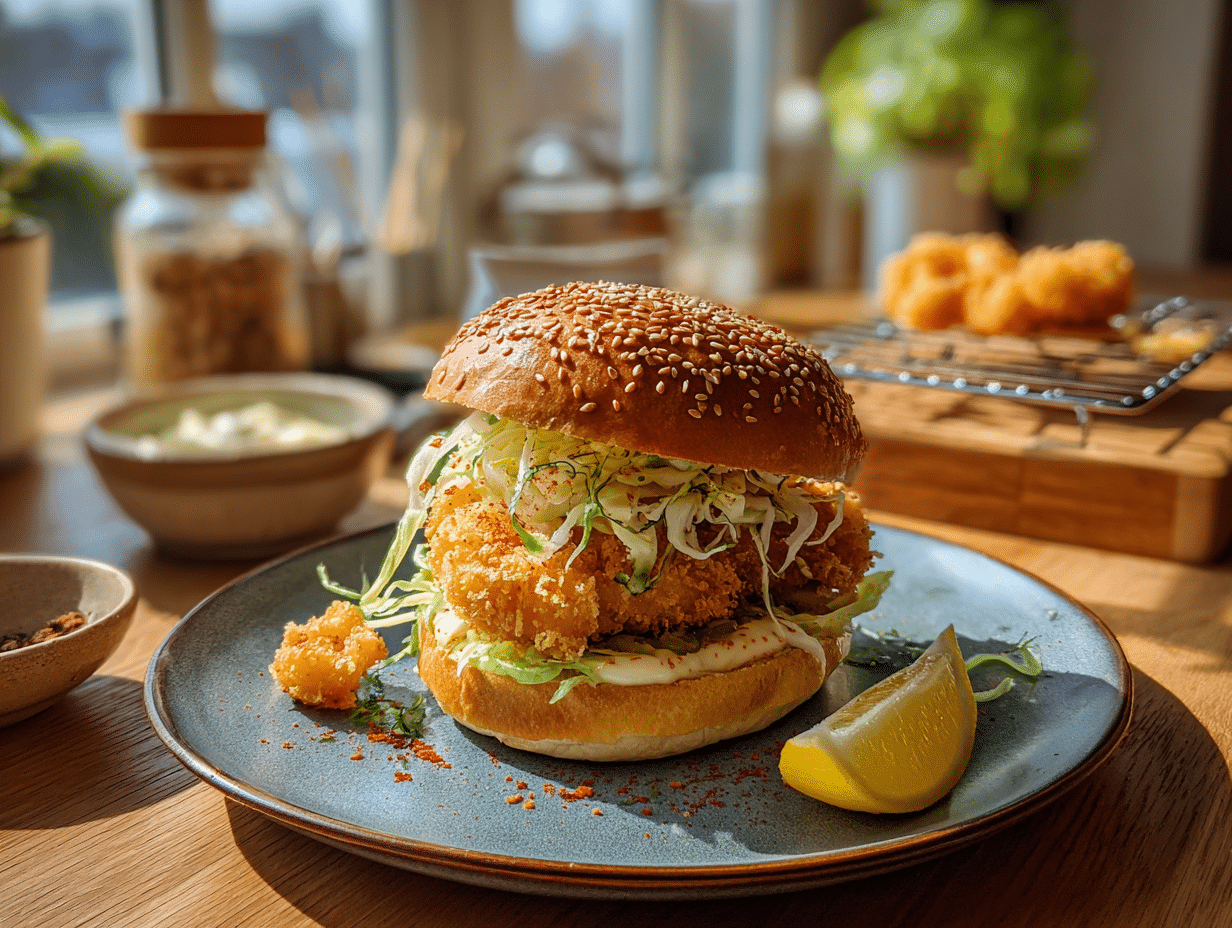
The original Ebi Filet-O features a patty made from whole shrimp bound together, coated in crispy panko, and deep-fried until golden. Unlike Western fish sandwiches that often mask the seafood flavor, the Ebi Filet-O celebrates the sweet, delicate taste of shrimp. The patty maintains a distinctive texture—neither completely smooth like a fish cake nor chunky like a crab cake, but somewhere in between, offering occasional pieces of recognizable shrimp within the formed patty.
The sauce is equally important. While variations exist, most versions feature a tangy, slightly sweet mayonnaise-based sauce that complements rather than overwhelms the shrimp. This restraint is characteristically Japanese—allowing the primary ingredient to shine while providing supporting flavors.
Seasonal Availability and Cultural Impact
Part of the Ebi Filet-O’s mystique comes from its limited availability. McDonald’s Japan typically offers it as a seasonal item, creating anticipation and driving demand. This scarcity marketing is a common strategy in Japan, where seasonal limited editions (called “gentei” items) create excitement and urgency among consumers.
The burger has become such a cultural phenomenon that it’s inspired countless copycat recipes, food blog reviews, and social media posts. For many visitors to Japan, trying an Ebi Filet-O has become a must-do culinary experience, ranking alongside conveyor belt sushi and ramen shops.
Technical Innovation
From a culinary perspective, the Ebi Filet-O represents several technical achievements. Creating a cohesive shrimp patty that holds together during frying while maintaining distinct shrimp texture requires careful balance. The binding agents must be minimal enough to preserve the shrimp’s character but sufficient to create a stable patty. The double-texture approach—combining chopped and processed shrimp—delivers both structural integrity and textural interest.
The panko coating is another crucial element. Japanese panko, made from crustless bread, creates larger, airier flakes than Western breadcrumbs. When fried properly, these flakes produce an exceptionally light, crispy crust that shatters at first bite—a textural contrast that Japanese cuisine values highly.
Global Influence and Variations
The success of the Ebi Filet-O has influenced McDonald’s menus in other Asian markets. Variations have appeared in locations like Taiwan and Hong Kong, each with subtle regional adaptations. Some feature spicier sauces, others incorporate local vegetables or different seafood combinations.
The burger has also inspired premium interpretations in Japanese restaurants worldwide. Chefs have elevated the concept with higher-quality shrimp, artisanal sauces, and house-made buns, proving that fast-food innovations can inspire fine dining creativity.
Recreating the Magic
For those unable to travel to Japan during Ebi Filet-O season, recreating this burger at home offers both challenge and reward. The key lies in understanding what makes the original special: the quality and treatment of the shrimp, the specific texture achieved through proper mixing techniques, and the light, crispy coating that defines the experience.
Adding contemporary touches like yuzu-togarashi mayo elevates the home version while respecting the original’s spirit. Yuzu, a Japanese citrus fruit, adds brightness that complements shrimp beautifully, while togarashi (Japanese seven-spice) provides gentle heat and complexity. These additions enhance rather than mask the fundamental appeal of the Ebi Filet-O.
A Symbol of Culinary Fusion
Ultimately, the Ebi Filet-O represents successful culinary fusion at its finest. It proves that global brands can create locally relevant products that become beloved cultural icons. It demonstrates how fast food, often dismissed as homogeneous and bland, can reflect and celebrate regional tastes and preferences.
For food enthusiasts, the Ebi Filet-O offers a lesson in adaptation and innovation. It shows how understanding local palates, respecting ingredient quality, and maintaining technical excellence can transform a simple concept into something extraordinary. Whether enjoyed in a Tokyo McDonald’s or recreated in a home kitchen, the Ebi Filet-O remains a testament to the delicious possibilities that emerge when culinary cultures meet.
Ebi Filet-O Style Shrimp Burger

Ingredients
For the Yuzu–Togarashi Mayonnaise:
- ½ cup Kewpie mayonnaise for signature richness and umami
- 1 tsp yuzu juice or see substitution below
- 1 ½ tsp lemon juice sub for yuzu: use with orange zest
- ¼ tsp orange zest, very finely grated sub component for yuzu profile
- ½ tsp shichimi togarashi adjust to taste
- 1 tsp rice vinegar
- 1 tsp granulated sugar balances heat and citrus
- 1 pinch kosher salt
For the Shrimp Patties:
- 1 ¼ lb raw shrimp, peeled, deveined, tails removed 31/40 or 26/30 size; pat very dry
- 2 tbsp Kewpie mayonnaise adds moisture and binds
- 1 tbsp fresh ginger, finely grated
- 2 cloves garlic, minced
- 2 pieces green onions, thinly sliced white and light green parts
- 1 tbsp soy sauce preferably Japanese-style
- 2 tsp mirin optional; adds mild sweetness
- 1 tsp toasted sesame oil
- ½ tsp kosher salt plus more to finish
- ½ tsp white pepper or black pepper
- 1 large egg white for springy texture
- ¼ cup cornstarch helps set the patty
- ⅓ cup panko breadcrumbs folded into mix for bite
For the Crispy Coating:
- ½ cup all-purpose flour for dredging
- 2 large eggs beaten with water
- 1 tbsp cold water loosens the egg wash
- 1 ½ cups panko breadcrumbs for coating; Japanese-style
- 1 tsp paprika optional; color and aroma
- ½ tsp kosher salt season the crumb
For Frying & Assembly:
- 2 qts neutral oil (canola or peanut) for frying fill pot 2–3 inches deep
- 4 pieces sesame seed burger buns soft, milk-bun style preferred
- 2 tbsp unsalted butter, softened for toasting buns
- 1 cup iceberg lettuce, finely shredded very crisp and cold for contrast
- 8-12 pieces dill pickle chips optional
- 4 slices ripe tomato optional; thinly sliced
Instructions
- Make the Yuzu–Togarashi Mayo (5 minutes): In a small bowl, whisk together Kewpie mayonnaise, yuzu juice (or the lemon juice + orange zest substitute), shichimi togarashi, rice vinegar, sugar, and a pinch of salt until smooth. Cover and refrigerate. Flavor cue: you’re looking for creamy, citrusy brightness with a gentle, peppery heat.
- Prepare the Shrimp (15 minutes): Pat the shrimp very dry. Set aside about one-third of the shrimp and hand-chop it into pea-size pieces for a bouncy bite. Pulse the remaining two-thirds in a food processor 6–8 short bursts until a coarse paste forms—avoid over-processing. In a bowl, combine both shrimp textures with Kewpie mayo, ginger, garlic, scallions, soy sauce, mirin, sesame oil, salt, white pepper, egg white, cornstarch, and the 1/3 cup panko. Mix until tacky. Sensory cue: mixture should feel sticky and cohesive.
- Shape & Chill (20 minutes): Divide the mixture into 4 equal portions (about 4.5 oz each). With damp hands, form 3.5-inch wide, 1/2-inch thick patties. Set on a parchment-lined tray and refrigerate 20 minutes to firm. This rest helps the proteins bind for a springy, Ebi-style snap.
- Set Up the Coating Station (5 minutes): Place flour in one shallow dish. Beat eggs with cold water in a second dish. In a third dish, combine panko with paprika and salt. Arrange in this order: flour → egg → panko.
- Heat the Oil (about 10 minutes preheat): Pour neutral oil into a deep, heavy pot to a 2–3 inch depth. Heat to 350°F (175°C). Maintain this temperature throughout frying for a crisp, oil-free crust.
- Bread the Patties (3–4 minutes): Working one at a time, dredge each chilled patty in flour (shake off excess), dip in egg, then press into panko to coat fully. Tip: press gently so the crumb adheres without compacting.
- Fry (12–16 minutes total in 2 batches): Fry two patties at a time at 350°F (175°C) for 3–4 minutes per side, or until deeply golden and the center reaches at least 145°F (63°C). Visual cue: vigorous but steady bubbling; audible sizzle that quiets slightly as moisture escapes. Transfer to a wire rack; lightly season with salt. Repeat with remaining patties.
- Toast the Buns (2–3 minutes): Spread cut sides of buns with softened butter and toast cut-side down in a skillet over medium heat (about 350°F / 175°C surface temp) until golden and fragrant.
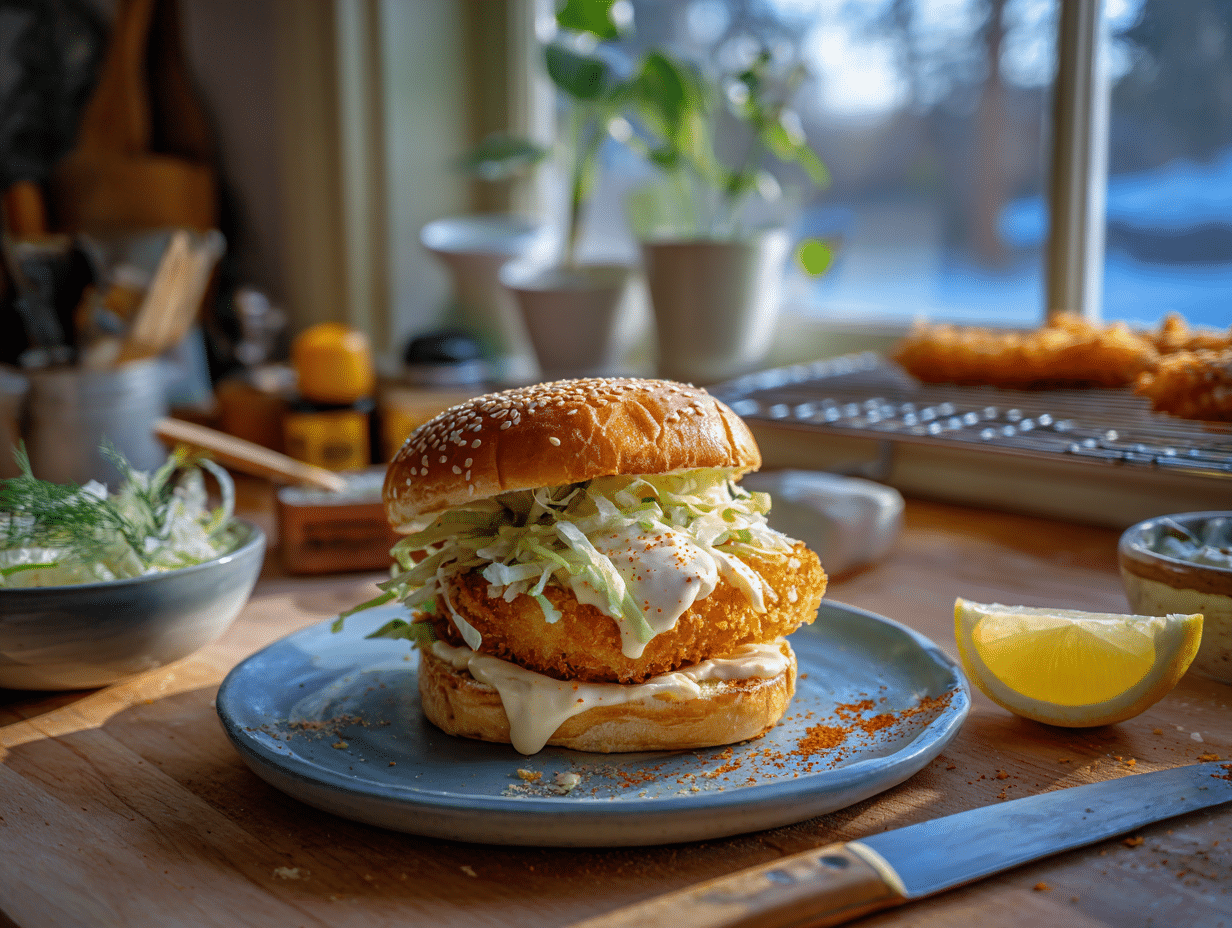
- Assemble (2–3 minutes): Spread yuzu–togarashi mayo on both bun halves. Add a bed of shredded iceberg to the bottom bun, top with a shrimp patty, a little more sauce, and (optional) pickles and tomato. Cap with the top bun. Serve immediately while the crust is crackling.
- Alternative—Air Fryer Method: Lightly oil breaded patties and air-fry at 375°F (190°C) for 10–12 minutes, flipping halfway, until golden and 145°F (63°C) inside. Texture will be slightly lighter than deep-fried.
Notes
Chef’s Tips:
- Texture Secret: Hand-chop some shrimp and process the rest. This gives the classic springy, snappy bite of an authentic ebi patty.
- Crumb Control: Use fresh, Japanese-style panko for a larger, airier flake. If your panko looks powdery, sift out the dust for a lighter crust.
- Oil Temperature: Fry at 350°F (175°C). Too cool = greasy crust; too hot = over-browned before the center cooks.
- No Yuzu? Use lemon juice plus a whisper of orange zest (as listed) for a clean citrus profile.
- Gluten-Free Swap: Use rice flour for dredging and gluten-free panko.
- Spice Level: Increase shichimi togarashi or add a few drops of chili oil to the mayo for a bolder kick.
- Faster Caramelization on Buns: A pinch of sugar on the buttered bun face helps quick browning without burning; toast over medium heat and watch closely.
Serving Suggestions:
- Plate on a warm plate, crown slightly off-center to show the glossy shrimp patty and ruffled lettuce.
- Garnish with a pinch of togarashi over the top bun and a lemon wedge on the side.
- Serve with crisp shoestring fries or shredded cabbage salad dressed with sesame vinaigrette, plus iced green tea, yuzu soda, or a light lager.
- Perfect-Done Cues: Bun is golden, patty is deep amber and audibly crisp, shrimp interior is opaque and juicy with a gentle aroma of ginger and sesame.
Culinary Context:
The Ebi Filet-O became a sensation in Japan by pairing local love for shrimp (“ebi”) with panko’s signature crunch. This rendition honors that idea—clean, bright, and texturally joyful—while dressing it up with citrus-laced mayo and a patty engineered for bounce. I first tasted it on a rainy Tokyo afternoon; the warmth, the crunch, and that citrusy perfume have stayed with me ever since.Optional Advanced Instructions:
- Make-Ahead: Shape patties up to 24 hours ahead; keep covered and chilled. Or freeze raw, breaded patties on a tray, then store in a freezer bag up to 1 month—fry from frozen at 350°F (175°C) for 1–2 extra minutes.
- Parallel Prep: While patties chill, mix the crumb, slice lettuce, and butter buns to keep the total time under 65 minutes.
- Alternative Coating: For a lighter, tempura-like crust, swap the flour/egg/panko sequence for a cold seltzer batter and a single dredge in panko.
Timing:
- Prep Time: 45 minutes (0 hr 45 min)
- Cook Time: 18 minutes (0 hr 18 min)
- Total Time: 63 minutes (1 hr 03 min)